

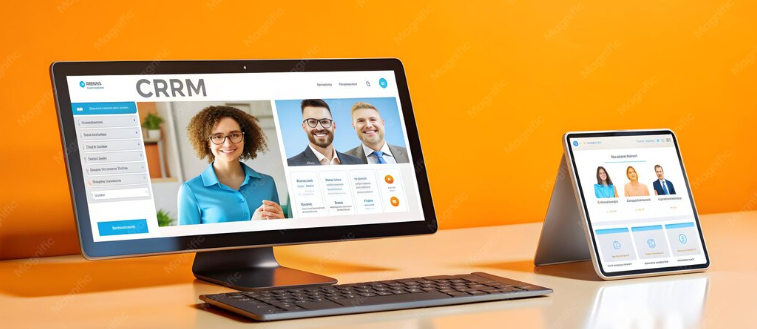
A marketing team spends weeks perfecting a paid campaign: the targeting is sharp, the ad copy is tight, the budget is approved. Then they send every click to the homepage and watch conversions stall anyway. The campaign wasn’t the problem. The destination was.
This is one of the most overlooked decisions in digital marketing: landing page vs website for lead generation isn’t a matter of preference; it’s a matter of purpose. Each does a fundamentally different job, and using one where the other belongs is a quiet, expensive mistake most companies don’t notice until they dig into the numbers.
Two Tools, Two Different Jobs
A website is built to inform. It’s a destination for people already exploring a brand broadly, researching the company, browsing product lines, reading about leadership, checking case studies. It has navigation, multiple pages, and dozens of possible paths a visitor might take.
A landing page is built to convert. It has one message, one offer, and one call to action, with every distraction deliberately stripped away. There’s no navigation menu pulling attention elsewhere, no competing links, no browsing. Just a focused case for a single next step.
The confusion happens when brands treat these as interchangeable. They’re not. A website that tries to convert like a landing page becomes cluttered and unfocused. A landing page that tries to inform like a website loses the very simplicity that makes it convert.
Why Websites Struggle With Paid Traffic
Sending PPC traffic to a general website is one of the most common reasons ad campaigns underperform. A visitor who clicked a specific ad for a specific offer expects a specific answer, and a homepage, built to serve many different visitor intents at once, rarely delivers that in the first few seconds that matter most.
This is exactly why a dedicated PPC landing page consistently outperforms a homepage for paid campaigns. It mirrors the ad’s exact message, removes every unrelated distraction, and gives the visitor one clear, low-friction action to take. The tighter the match between ad and landing page, the higher the conversion rate tends to be a principle that shows up again and again in conversion rate optimization data across industries.
Why Websites Still Matter
None of this makes a full website obsolete. For visitors doing broader research comparing vendors, learning about a company before a sales call, checking credibility, a website plays a role no landing page can replace. It builds trust over multiple touchpoints, showcases depth, and supports SEO in ways a narrow, single-purpose landing page usually can’t.
A strong lead generation website works alongside landing pages, not instead of them. Organic search traffic, referral visitors, and people already familiar with the brand often benefit from the fuller context a website provides; they’re not arriving with the same narrow, immediate intent as someone who just clicked a paid ad.
Where Landing Pages Win Decisively
For any campaign with a specific, singular goal a webinar signup, a free trial, a downloadable guide, a demo request a dedicated landing page almost always wins. The reasons are consistent across most landing page optimization research:
These advantages compound. A landing page built specifically for one campaign, one audience, and one offer will typically out-convert a general website page built to serve everyone.
The Right Answer Is Usually Both
The smartest B2B and B2C marketing strategies don’t pick a side in this debate; they assign each tool to the job it does best. Paid campaigns, specific offers, and high-intent traffic go to purpose-built landing pages. Organic discovery, brand research, and long-term trust-building live on the website.
Treating landing page vs website as an either-or choice usually means underperforming at both. Treating them as complementary parts of the same system is what actually moves conversion numbers.
Matching the Tool to the Moment
The real question was never which one is better. It’s which one fits the visitor’s intent at that exact moment and building both well enough that neither one is asked to do a job it wasn’t designed for.
At Image Stereo, we help brands build exactly this kind of system: landing pages engineered to convert campaign traffic, and websites built to earn long-term trust so every visitor lands exactly where they’re most likely to take the next step.
Leave a Reply